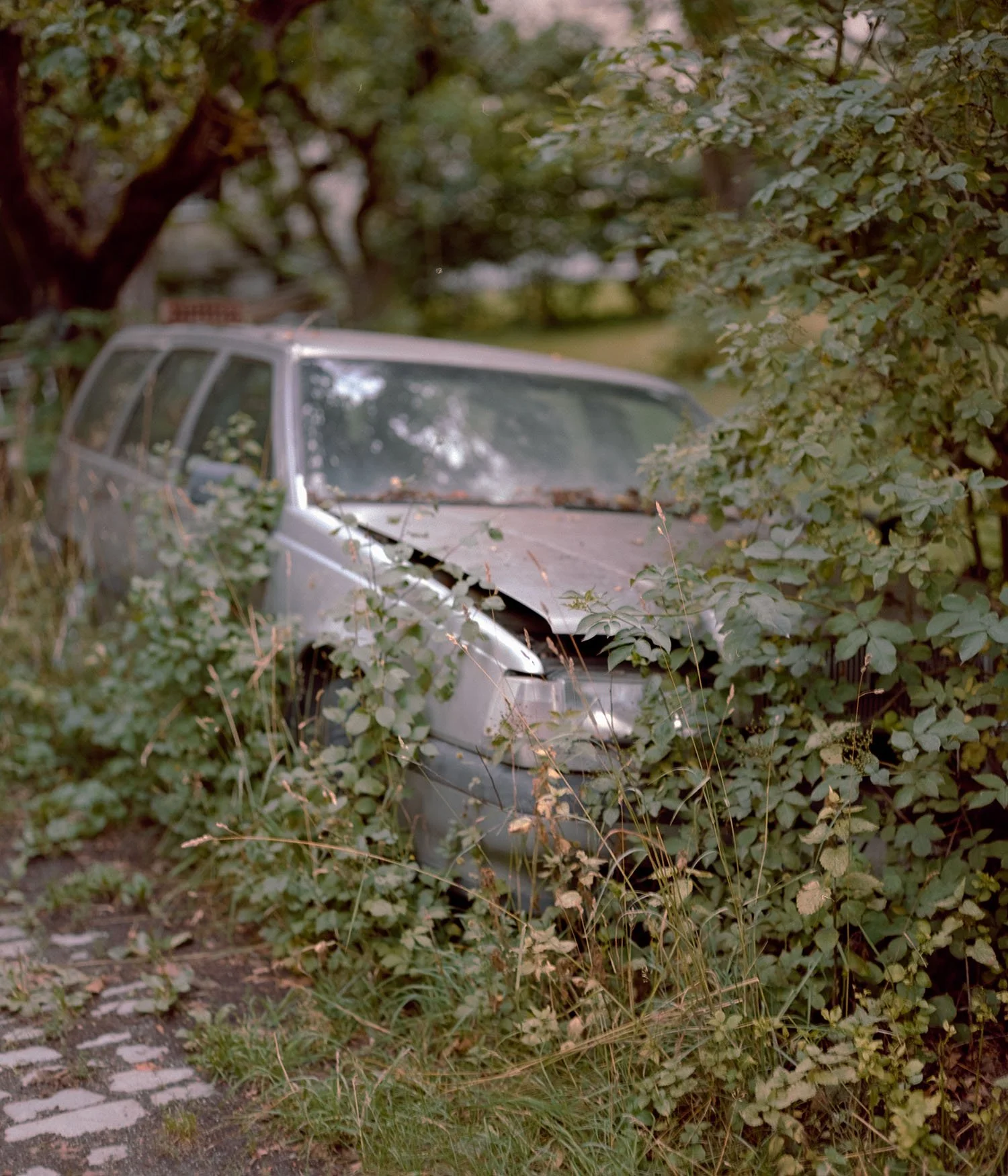
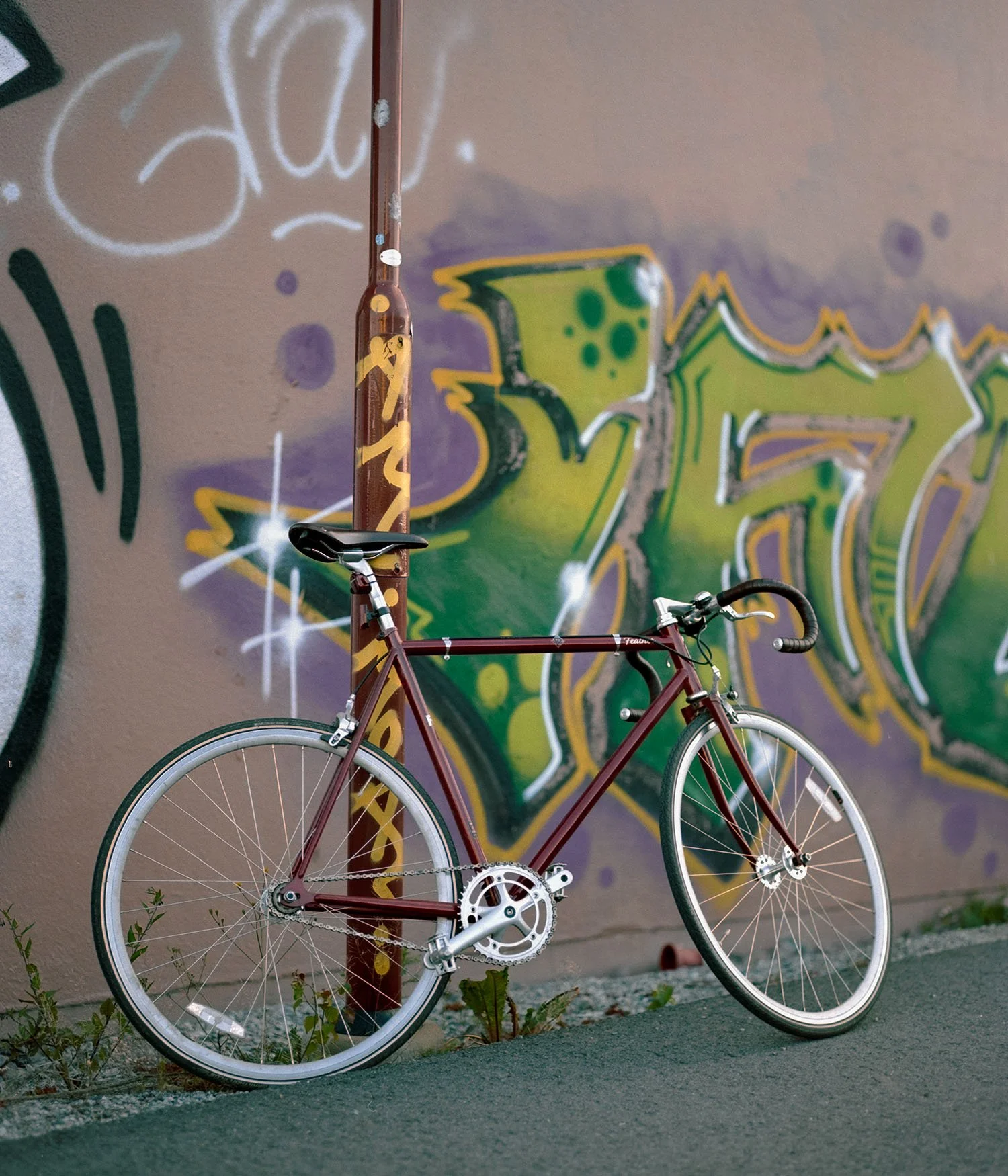
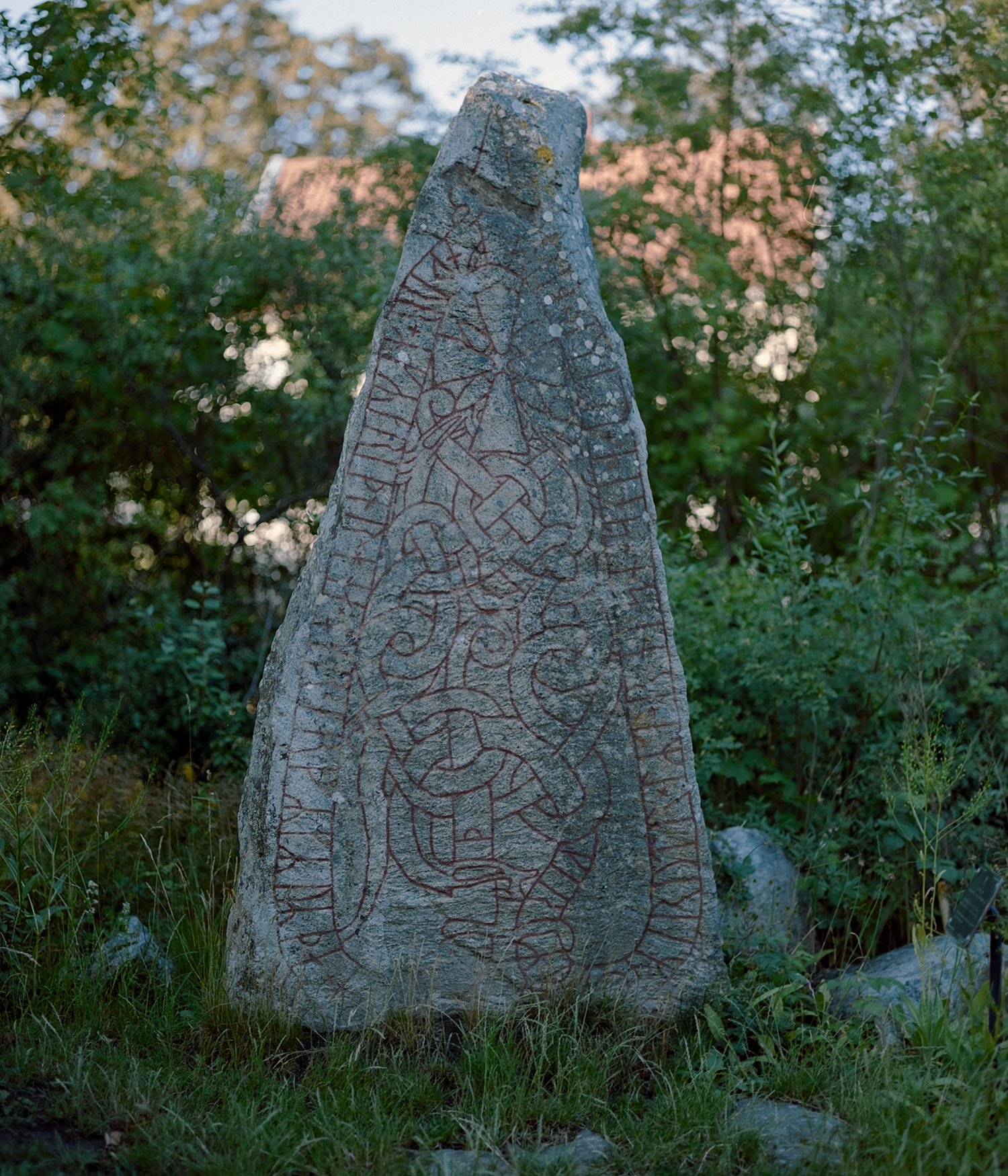
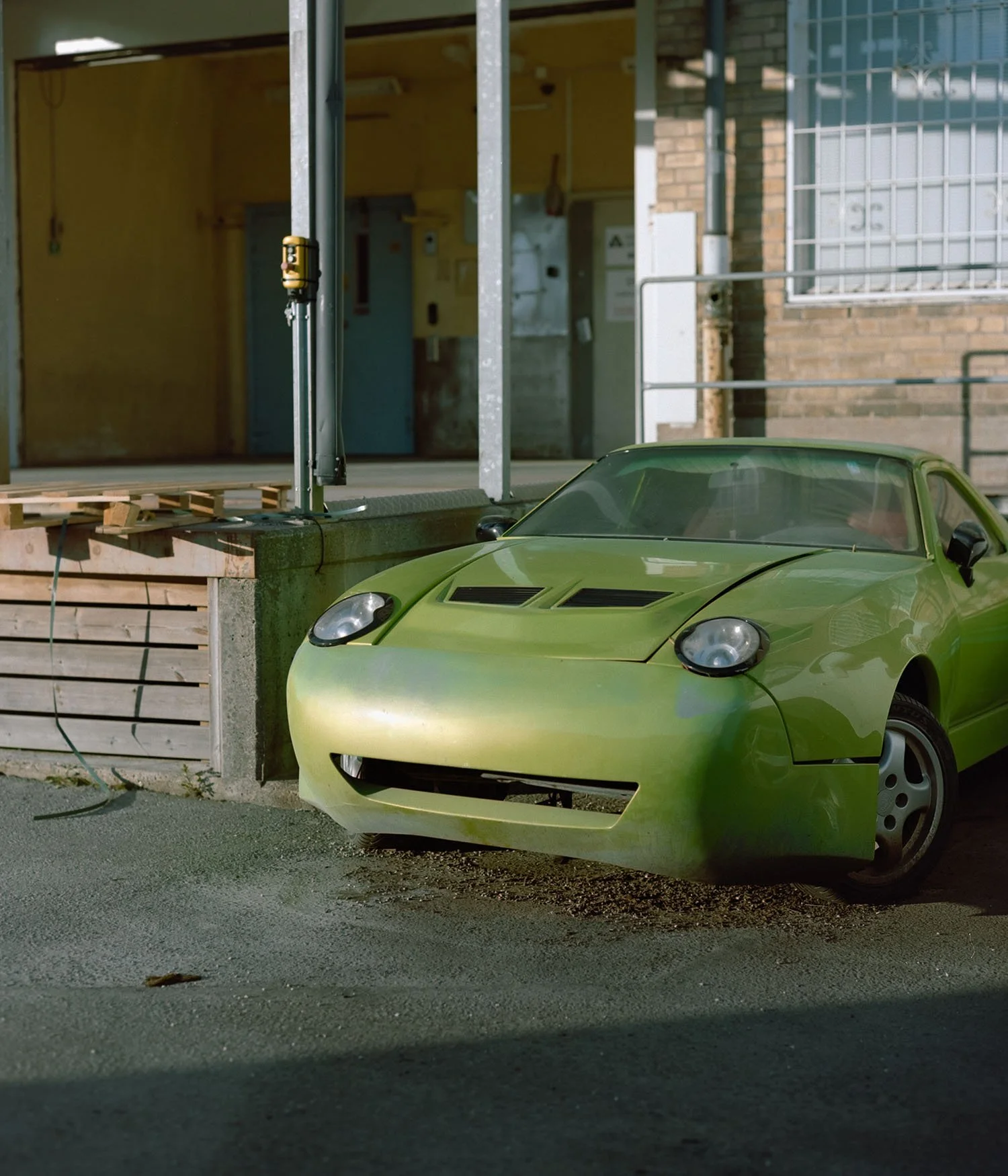
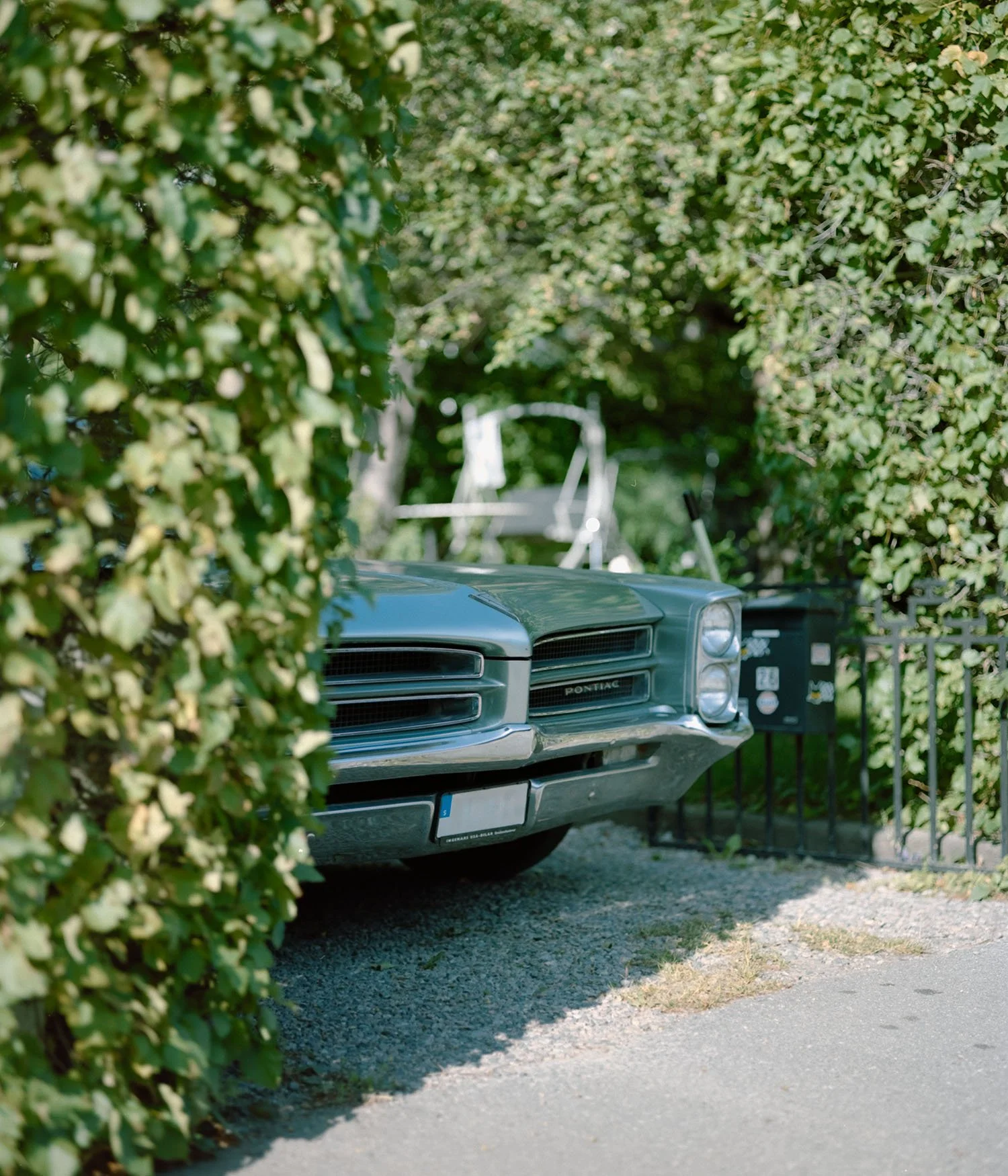
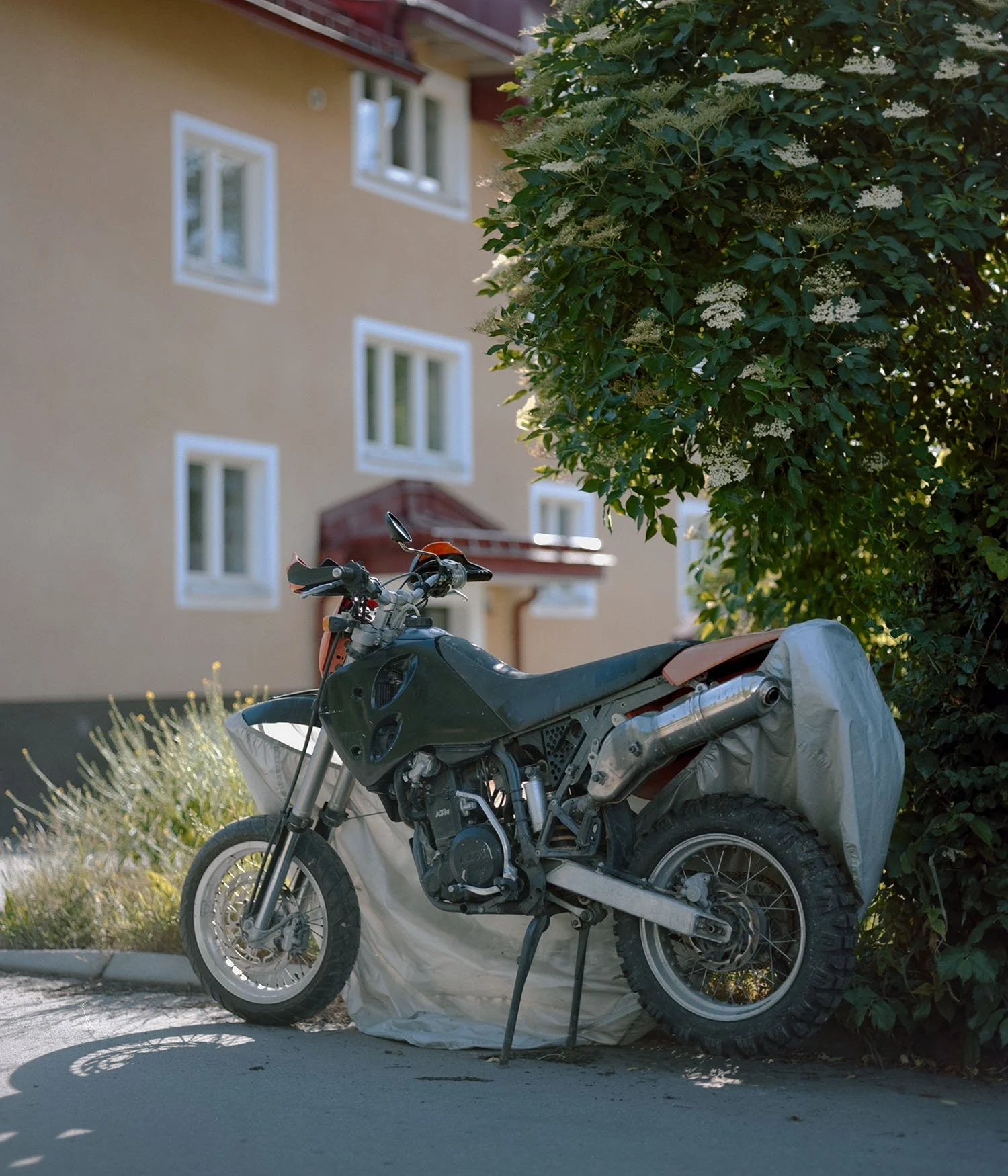
Analog photography is something I always return to. No matter how much I work with digital cameras, there is something about the analog process that continues to draw me back. The pace is slower, more deliberate, and each photograph requires a greater level of attention.
When shooting film, every frame matters. A roll only contains a limited number of exposures, and each image comes with a small cost. That naturally makes me more careful and thoughtful when composing my photographs. I spend more time observing the scene, adjusting the composition, and waiting for the right moment before pressing the shutter.
My absolute favorite among analog cameras is the Pentax 67II. It is certainly not the most practical camera to carry around, large, heavy, and somewhat cumbersome compared to modern digital systems, but it has a character that I truly enjoy. The handling, the sound of the shutter, and the overall shooting experience feel incredibly satisfying. And of course, the image quality is remarkable. There is something special about medium format that is difficult to fully replicate in other formats.
For this set of images I used the Pentax 67II together with the Pentax SMC 105mm lens. The film stock is Kodak Portra 160, which I appreciate for its subtle colors and smooth tonal transitions.
To digitize the negatives, I photographed them using my Fujifilm X-T5 together with an older Pentax 50mm lens. I used the Valoi 360 film holder, which makes the scanning process much easier and helps keep the film flat and properly aligned. This setup has become my preferred way of bringing my analog photographs into the digital workflow. In Lightroom, I use Negative Lab Pro to convert the negative rawfiles.
Even though the process requires a bit more effort compared to purely digital photography, it is precisely this slower and more tactile approach that makes analog photography so rewarding for me.